ABOUT HADP SCHEME, JAMMU KASHMIR
ABOUT HADP SCHEME, JAMMU KASHMIR

CONTACT FOR HADP PROJECT REPORTS AND ONLINE APPLICATION (JKITR)
6006751817/ 6006751812/ 6006751813/ 6006751816/ 9596194306/ 6006751819
Agriculture
and allied sectors contribute over eighteen percent of the J&Ks gross
domestic product (GDP), representing Rs. 37600 crores per year and providing
livelihood to more than 13 lakh families. Over past decades, the agriculture
and allied sectors in J&K have been the mainstay of the rural economy
however, the UT has been following a mere subsistence type of agriculture which
has increasingly been facing the challenges of low productivity, shrinking
farmer margins, unsustainability, climate change and lack of competitiveness
when compared to produce from within and outside the country.
To mitigate
these challenges and to build a technology driven, sustainable and remunerative
agro-economy, an apex committee of experts headed by Dr Mangala Rai, former
Director General ICAR, was constituted by the UT Administration to identify the
priority areas for interventions through improved policy and capital support.
The strategies identified by the committee for moving towards a strong and
commercially viable agriculture include strengthening seed systems, harvesting
the competitive advantage of J&Ks geo-climatic diversity, boosting
production & productivity, monetizing produce & promoting secondary
agriculture by creation of agri-business ecosystems with inbuilt functional
value chains and securing livelihoods through enhanced jobs and income
creation. The committee submitted comprehensive proposals encompassing the full
spectrum of activities in all the major domains of Agriculture viz
Horticulture, Crop and Livestock Husbandry in the form of twenty-nine projects
to strengthen the backbone of J&Ks rural economy. The Administrative
Council under the chairmanship of Hon’ble Lt Governor today sanctioned the
implementation of the twenty-nine projects submitted by the Apex committee with
an outlay of Rs 5013 crores over the next five years.
These
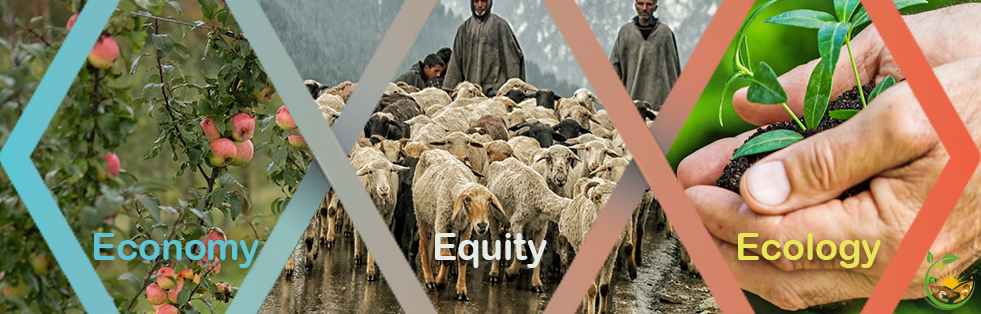
twenty-nine projects based on the principles of economy, equity & ecology
shall transform the agricultural economy of J&K putting it on a new
trajectory of growth, almost doubling the output of the sectors, boosting
exports and making the sectors sustainable & commercially viable. These gains
shall be equitable, reaching the last person in the pyramid and ecologically
sustainable through efficient use bio-resources for food, feed & industry.
This will herald a new phase of farmer prosperity and rural livelihood security
in J&K. The agricultural output which stands at Rs 37600 crores shall
increase by over Rs 28142 crores to reach more than Rs 65700 crores per year,
with a resultant increment in sectoral growth rate to 11%. The interventions
shall create employment opportunities for over 2.8 lakh youth and establish
around 19,000 enterprises. More than 2.5 lakh persons shall be skilled in
various agri-enterprises ranging from seed production, precision farming of
vegetables, bee-rearing, cocoon production, mushroom farming, integrated & organic
agriculture, high-density fruit farming to processing, dairying, sheep &
poultry farming as well as fodder production. In the next five years the UT
shall have a motivated workforce with agri-entrepreneurial skills in a
commercially viable and ecologically sustainable agri-ecosystem.
Sector : Agriculture List of Approved Projects
Sector : Agriculture List of Approved Projects

CONTACT FOR HADP PROJECT REPORTS AND ONLINE APPLICATION (JKITR)
6006751817/ 6006751812/ 6006751813/ 6006751816/ 9596194306/ 6006751819
List of sector wise approved projects is as follows:
Sector
: Agriculture
| 1 | Development of Seed and Seed Multiplication chain in
PPP mode
|
| 2 | Promotion of Niche crops in UT of J&K
|
| 3 | Promotion of Vegetables/exotic vegetables under open
& hi-tech protected cultivation
|
| 4 | Strengthening Agri-Marketing System in UT of J&K
|
| 5 | Promotion of medicinal/aromatic plants on commercial
basis
|
| 6 | Promotion of Apiculture
|
| 7 | Technological interventions to strengthen Sericulture
in UT of J&K
|
| 8 | Promotion of Nutri cereals (Millets
|
| 9 | Farm mechanization and automation
|
| 10 | Promotion of mushroom cultivation
|
| 11 | Promotion of Oilseeds
|
| 12 | Formulation of 300 FPOs
|
| 13 | Adoption & promotion of integrate farming system
(IFS)/Integrated Livelihood systems (ILS) in UT of J&K
|
| 14 | Promotion of commercial floriculture in UT of J&K
|
| 15 | Development of rain fed areas of J&K
|
| 16 | Alternate Agriculture System for sustainability
|
| 17 | Sensor based smart Agriculture
|
| 18 | Minimizing pesticide use in Agriculture
|
| 19 | J&K soil & land resource information system
|
| 20 | Innovative approaches in agriculture extension
|
Sector : Horticulture List of Approved Projects
Sector : Horticulture List of Approved Projects

CONTACT FOR MAKING A PROJECT REPORT AND ONLINE APPLICATION (JKITR)
6006751817/ 6006751812/ 6006751813/ 6006751816/ 9596194306/ 6006751819
List of sector wise approved projects is as follows:
Sector : Horticulture
| 1 | Production of Designer Plants for promotion of HD
plants and rejuvenation of orchards
|
| 2 | UT level food processing program for development of
clusters for specific products of J&K
|
Sector : Livestock List of Approved Projects
Sector : Livestock List of Approved Projects
.jpeg)
CONTACT FOR MAKING A PROJECT REPORT AND ONLINE APPLICATION (JKITR)
6006751817/ 6006751812/ 6006751813/ 6006751816/ 9596194306/ 6006751819
| 1 | Dairy Development in J&K
|
| 2 | Reorienting priorities: Self-sufficiency in mutton
production in J&K
|
| 3 | Roadmap for poultry development in J&K
|
| 4 | Technological Interventions for Fish Seed and Trout
Production in UT of J&K
|
| 5 | Promotion of wool/pelt processing and marketing
|
| 6 | Development of fodder resources for UT of J&K
|
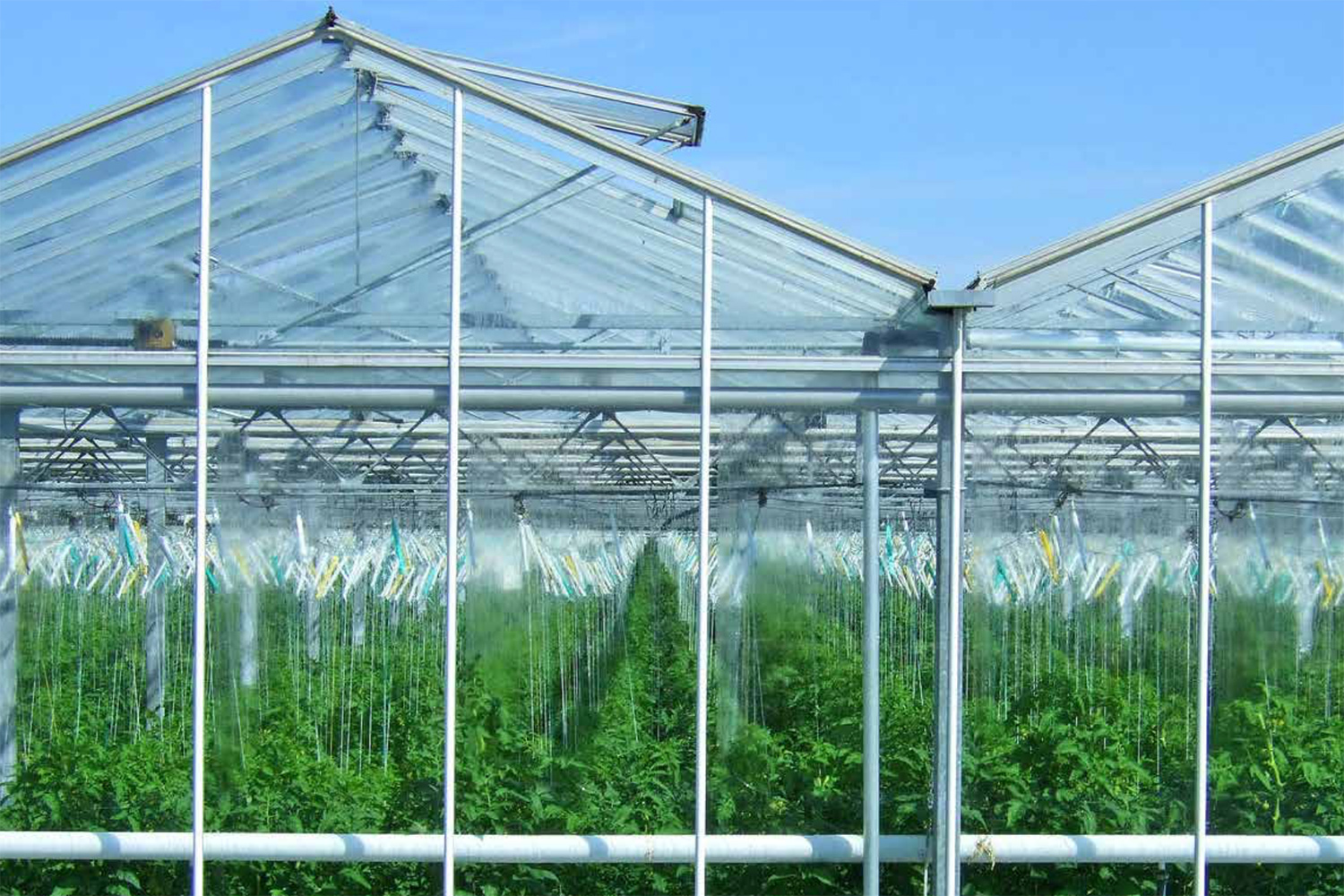
HADP (HI TECH POLY GREEN HOUSE 500 SQM)
HADP (HI TECH POLY GREEN HOUSE 500 SQM)
CONTACT FOR MAKING A PROJECT REPORT AND ONLINE APPLICATION (JKITR)
6006751817/ 6006751812/ 6006751813/ 6006751816/ 9596194306/ 6006751819
HADP (HI TECH POLY GREEN HOUSE 500 SQM)
Protected cultivation practices can be
defined as a cropping technique wherein the micro climate surrounding the plant
body is controlled partially or fully as per the requirement of crops grown
during their period of growth. With the advancement in horticulture various
types of protected cultivation practices suitable for a specific type of
agro-climatic zone have emerged. Among these protective cultivation practices,
poly green house, net house, shade house, plastic tunnel & mulching etc.
are very useful for Haryana State. Protected cultivation under different types
of structures save plants from winter and extends the cultivation session for
off-season crop production. In view of climate of Jammu Division, naturally
ventilated poly houses are very suitable and have good economics as compared to
High-tech poly houses. Walk-in-Tunnels, a type of poly house with less height
also proved effective technology particularly for the cultivation of capsicum
crops. Low-tunnels have gained its popularity for the crops grown in winter
season. The farmers have started adoption of mulching to eradicate the problem
of weeds and to maintain the moisture of soil for prolonged period through
minimization of evaporation losses.
After
the advent of green revolution, more emphasis is laid on the quality of the
agricultural product along with the quantity of production to meet the
ever-growing food and nutritional requirements. Both these demands can be met
when the environment for the plant growth is suitably controlled. The need to
protect the crops against unfavourable environmental conditions led to the
development of protected agriculture. Greenhouse is the most practical method
of achieving the objectives of protected agriculture, where natural environment
is modified by using sound engineering principles to achieve optimum plant
growth and yield. Poly house cultivation has become an important policy of
Indian Agriculture. Our country is self dependent on food grain production but
to fulfill the nutritional security, the gap between increasing demand of
horticultural produce has to be filled. This gap cannot be filled by the
traditional horticulture which required large area under horticulture to
increase the production for the ever growing population. Green house technology
has potential to produce more produce per unit area with increased input use
efficiency. Therefore, this problem can be coped up by adopting green /poly
house technology for the horticultural production. For example if one lakh
hectare area under vegetable cultivation is brought out under poly house
cultivation the annual availability of vegetable will be increased by at least
100 lakh tons. Besides this it will also increase the significant jobs
opportunity for the skilled rural men, youths and rural women. Total production
of vegetables in India is next to China, but per capita availability of
vegetables is much lower than required. The productions of vegetable crops are
to be increased to meet the demand of the ever growing population otherwise per
capita availability of vegetables will further go down. There is lot of
pressure on cultivable land caused due to industrialization, urbanization and
expansion of the rural villages. Therefore, it is utmost necessary to improve
the productivity of crops including vegetables by adopting intensive
cultivation, hydroponics and poly house cultivation. Adopting poly house
cultivation the productivity of vegetable crops can be increased by 3-5 times
as compared to open environment. Besides productivity, the better quality of
produce is also obtained under poly house cultivation. This technology can be
adopted by the rural youth for more income per unit of land. The improvement in
economy of farmers with the decreasing land holding is also possible through
the protected cultivation by increasing production per unit area. The glut of
vegetable during a short period of harvesting is also the problem in the
country which can be minimized with the protected cultivation as harvesting
period of crops under protected structures is longer
MEDIUM RAS TROUT FISH FARM
HARVESTING OF RAINBOW TROUT IN RAS TECHNOLOGY

CONTACT FOR MAKING A PROJECT REPORT AND ONLINE APPLICATION (JKITR)
6006751817/ 6006751812/ 6006751813/ 6006751816/ 9596194306/ 6006751819
Objectives of the Project
1.
Promote
Semi Indoor / Indoor Rainbow Trout Farming for high Production
2.
Promote
water Reuse Concept
3.
Promote
Commercial Trout Fish Farming by way of entrepreneurship
4.
Rearing
quality trout fish seed
5.
Creation
of employment (Direct and Indirect)
6.
Filling
the demand supply gap of trout fish
7.
Availability
of Fresh Farm Seed
8.
Supply
high quality animal protein (fish)
9. Boosting
local area economy
Re circulatory Aquaculture Systems
Re-circulatory
aquaculture systems are indoor tank-based technology driven culture base systems in which fish are
grown at high density under controlled environmental
conditions. Recirculation aquaculture is essentially a technology for farming fish or other aquatic organisms by
reusing the water in the production. The system
can achieve optimal temperature and optimal and stable production all year round, independent of seasonal variation, location, climate and environment. traditional methods of fish farming in
India is able to produce just between 8-10 tons
of fish per hectare of land and at the same time uses more than 20 liters of water per kgs of fish. Contrary to this re –circulatory Aquaculture System
may need 1/8th of a hectare
& 1/6th of water and still would be able to produce up to 60 tons of fish per year. The components for ideal RAS can be
divided into the following categories:
Essential components: these include water supply. Mechanical filtration, biological filtration, culture tanks, pumps, plumbing, environmental control, element to
manage dissolved gases (oxygen and carbon dioxide), and back-up power supply.
Supporting infrastructure and equipment: this includes the shed (or other structures to house the system), water quality monitoring equipment, alarm system,
feeding system, storage facilities, staff amenities etc.
The
department intends to establish Large, Medium, small and
backyard mini recirculation aquaculture system by providing financial
assistance to the beneficiaries
in private sector. The applicants has to submit DPRs in respect of all the RAS designs except for the backyard
mini RAS. The subsidy component for establishment of RAS is 50% for General category
and 60% for SC/ST/Women.
Brief description of each RAS design is as under:
Large RAS:
The
unit consists of 10 tanks each with the minimum tank capacity of 50m3 per tank and the fish production capacity of 10 ton per crop. The
total project cost for establishment
of Large RAS is 50 lac / unit which include the construction and the input cost. The department shall provide
financial assistance as per the subsidy pattern
for establishment of one large RAS for individual and two in respect of Groups/organization/cooperatives etc
Medium RAS:
The unit consists of 4 tanks each with the minimum
tank capacity of 50m3 per tank and
the fish production capacity of 4 ton
per crop. The total project cost for establishment of medium RAS is 25 lac /
unit which include the construction and the
input cost. The department shall provide financial assistance as per the
subsidy pattern for establishment of
one medium RAS for individual and two in respect of Groups/organization/cooperatives etc
Small RAS:
The
unit consists of one tanks with the minimum tank capacity of 100m3
per tank and the fish production capacity of 2 ton per unit. The total
project cost for establishment of
small RAS is 7.5 lac / unit which include the construction and the input cost. The department shall provide
financial assistance as per the subsidy pattern
for establishment of one small RAS for individual and four in respect of Groups/organization/cooperatives etc
Backyard mini RAS:
The unit consists of one tank with installation
of pumps, filters aerators, pipes, valves
etc and inputs for feed and seed with fish production capacity of 0.2 to 0.3 ton/unit. The total project cost for
establishment of mini RAS is 0.50 lac / unit
which include the construction and the input cost. The department shall
provide financial assistance as per
the subsidy pattern for establishment of one mini RAS for individual and twenty in respect of Groups/organization/cooperatives etc.
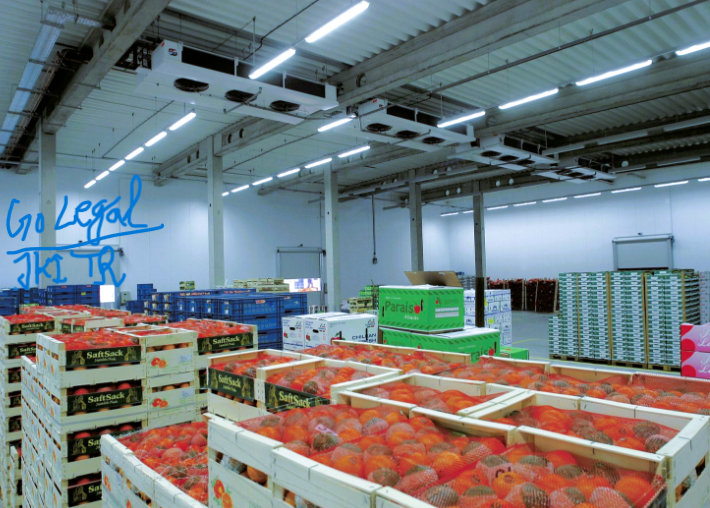
MINI COLD STORAGE (625 MTS CAPACITY
MINI COLD STORAGE (625 MTS CAPACITY
CONTACT FOR MAKING A PROJECT REPORT AND ONLINE APPLICATION (JKITR)
6006751817/ 6006751812/ 6006751813/ 6006751816/ 9596194306/ 6006751819
NEED OF COLD STORE
The apple
industry, year after year, bears the remarkable responsibility of yielding a
staggering production of over 20 lakh metric tonnes of this delectable fruit.
Indeed, it is a fascinating reality that a significant portion of Kashmir’s population
finds themselves intricately entwined with the apple industry, whether directly
or indirectly.
The apple industry in the picturesque
region of Kashmir transcends its local boundaries, assuming a profound
significance that reverberates throughout the entire country. Its impact,
particularly on the economy of Jammu and Kashmir, cannot be understated. In the
tapestry of the region’s economy, apple farming emerges as a pivotal thread,
weaving its way through the fabric of prosperity. Surpassing even the
illustrious tourism sector, this humble agricultural pursuit substantially
contributes approximately eight per cent to the state’s GDP. The sector assumes
a pivotal role in bestowing employment opportunities upon diverse segments of
society, including women, while also fostering economic prosperity in the rural
hinterlands. The apple industry, year after year, bears the remarkable
responsibility of yielding a staggering production of over 20 lakh metric
tonnes of this delectable fruit. In certain bountiful years, this figure soars
even higher, reaching an impressive 25 lakh metric tonnes. Indeed, it is a
fascinating reality that a significant portion of Kashmir’s population finds
themselves intricately entwined with the apple industry, whether directly or
indirectly. The apple orchards, spanning over a vast expanse of more than 3.5
lakh hectares, stand as a testament to the region’s commitment to cultivating
this luscious fruit. In the wake of the abrogation of Article 370, it is clear
that the government has embarked upon a commendable endeavour to foster the
well-being and progress of Jammu and Kashmir. However, one must not overlook
the undeniable significance of the horticulture sector, specifically the realm
of apple farming, as it demands the utmost attention from the government to
foster expansion and cultivate a source of revenue.
The commendable endeavours of the
government to bolster the apple industry through a comprehensive array of
measures, encompassing subsidies, loans, and schemes, are worthy of admiration.
Nevertheless, the horticultural industry has found itself entangled in a web of
challenges in recent times. Alas, the fateful year of 2022 unfolded as a
calamitous chapter for apple growers, leaving them in a state of despair.
During the zenith of the season, a tumultuous descent in prices ensued, casting
a pall of despair upon the farming community, notwithstanding their bountiful
harvest. The decline in prices can be attributed, in part, to the mismanagement
of the national highway, a vital conduit for the transportation of Apple
shipments. The already arduous challenges encountered by farmers were only
compounded by this logistical quandary. Moreover, the ever-mounting expenses
associated with sustenance and maintenance, encompassing the escalating costs
of labour, fertilizers, sprays, and agricultural equipment, have further
compounded the already arduous plight faced by farmers. The relentless grip of
inflationary pressures has only served to exacerbate the already burdensome
financial strain they face, rendering the task of meeting their basic needs an
even more formidable challenge.
In the month of May 2023, a glimmer of hope
graced the hearts of many as the government of India took a decisive step. With
unwavering determination, they chose to prohibit the importation of apples from
Iran that fell within the low price range of below 50 Rs. This bold move,
resonating with a sense of optimism, breathed new life into the collective
spirit of farmers. The farmers, their hearts brimming with hope, eagerly
anticipated the prospect of securing favourable prices for their bountiful
harvest this year.
The recent visit of Prime Minister Narendra
Modi to the United States has regrettably brought distressing news for the
farming community. With the reduction of the extra 20% import duty on
Washington Apples, a sense of grief has started permeating the air. Through
this development, a devastating blow has been inflicted upon the indigenous
farmers of Himachal Pradesh and Kashmir. In an era when the voices of local
farmers resonated with a resounding call for elevated import duties, reaching
as high as a staggering 100% on apples, the aftermath of this consequential
decision has ignited a profound sentiment of helplessness and exasperation
within the farming community. In the depths of their being, they harbour a
profound sentiment that their tireless efforts and arduous endeavours are met
with a disheartening lack of just recompense. This disconcerting reality
engenders within them a pervasive sense of desolation, casting a shadow of
doubt upon the trajectory of their future prospects.
The diminished import duty on Washington
Apples not only presents a formidable challenge to the market for indigenous
apples but also erodes the painstaking endeavours of farmers to maintain their
means of subsistence. The growers find themselves haunted by a pervasive sense
of trepidation, as they grapple with the looming spectre of heightened
competition stemming from the arrival of imported apples. These apples, celebrated
far and wide for their exceptional quality and resplendent sheen, have cast a
formidable shadow over the industry. The precarious nature of farmers’ income
and economic stability renders them even more vulnerable, thereby perpetuating
the relentless cycle of financial uncertainty.
In the heartland of Kashmir, where the
fertile soil and gentle climate have nurtured generations of apple farmers, a
profound sense of unease has settled upon our close-knit community. As a humble
cultivator of this cherished fruit, one whose very existence is intertwined
with the orchards that have been passed down through the ages, I find myself
grappling with a disquieting reality. The recent pronouncement to diminish the
import duty on Washington apples has reverberated through our tranquil valleys,
casting a shadow of apprehension upon our livelihoods. The reverberations of
this policy change resonate deeply within the fabric of our existence, casting
a profound shadow upon our livelihoods and casting doubt upon the very future
of the apple industry in the enchanting region of Kashmir. I beseech the
esteemed Government of India to reassess this decision, urging them to
contemplate the dire consequences it shall unleash upon our existence and the
very bedrock of our economy.
In the enchanting region of Kashmir,
nestled amidst the majestic Himalayas, lies an industry that transcends mere
economic significance. The apple industry, with its sprawling orchards and
bountiful harvests, is not just a means of livelihood but a cherished way of
life for the people of this idyllic land. For generations, diligent farmers,
including my own beloved family, have toiled tirelessly upon the fertile earth,
dedicating their lives to the cultivation of magnificent apple orchards. These
bountiful plantations, nurtured with unwavering care and expertise, yield a
harvest of the most exquisite fruits known to humankind. The apples we offer
have garnered immense popularity in both local and global markets, owing to
their unparalleled quality, tantalizing flavour, and unique attributes.
The apple industry in Kashmir, with its
profound intertwining with our cultural heritage and identity, stands as a
testament to its economic significance. The orchards that grace our land are
not mere collections of trees, but living testaments to the enduring power of
tradition. These hallowed grounds have been entrusted to us by our ancestors,
who, with great care and reverence, passed down their wisdom and knowledge from
one generation to the next. For centuries, these orchards have stood as
steadfast guardians of our heritage, bearing witness to the timeless rituals
and customs that have shaped our way of life. They embody the essence of
resiliency, tenacity, and our profound connection to the land. In the event of
a collapse within our industry, the repercussions would extend far beyond mere
economic devastation. Indeed, the very fabric of our rich cultural tapestry
would suffer a gradual erosion, leaving an indelible mark on our collective
identity. Furthermore, it would be remiss of us to disregard the impact on
employment. The apple industry, a vital source of livelihood for both skilled
and unskilled labourers, sustains numerous families through its employment
opportunities. The industry’s decline casts a sombre shadow, threatening to
unravel the delicate fabric of livelihoods, leaving in its wake a disheartening
surge of destitution. As the ripples of this downturn spread across the region,
the once tranquil social landscape trembles with the potential for unrest, as the
weight of uncertainty bears down upon its inhabitants.
JK GOVT WEBSITE
JK GOVT WEBSITE
CONTACT FOR MAKING A PROJECT REPORT AND ONLINE APPLICATION (JKITR)
6006751817/ 6006751812/ 6006751813/ 6006751816/ 9596194306/ 6006751819
DETAILS FOR HADP PROJECTS
FORM AND DETAILS REQUIRED FOR HADP PROJECTS

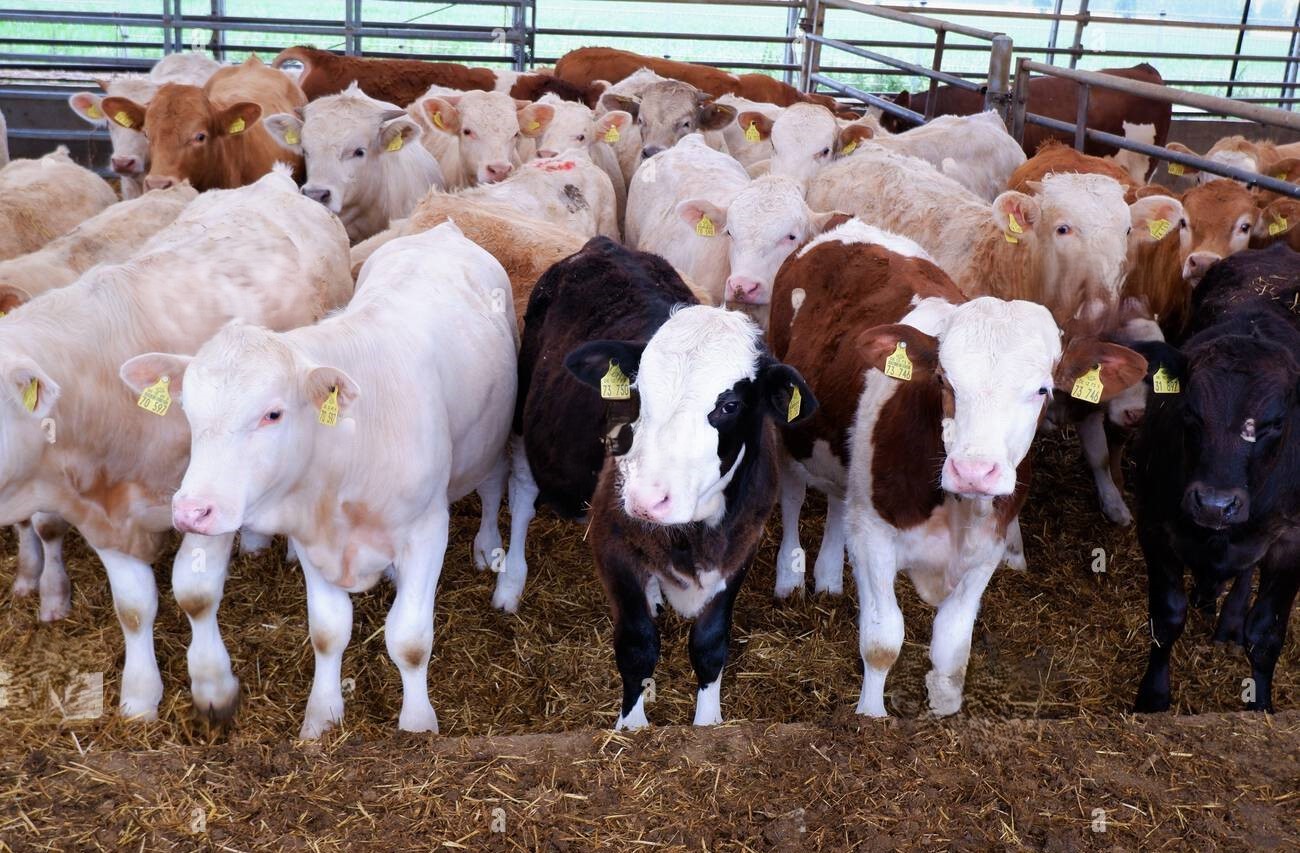
SATELLITE HEIFER REARING UNIT (HADP)
SATELLITE HEIFER REARING UNIT (HADP)
CONTACT FOR MAKING A PROJECT REPORT AND ONLINE APPLICATION (JKITR)
6006751817/ 6006751812/ 6006751813/ 6006751816/ 9596194306/ 6006751819
Introduction
Heifer is a female bovine from one year of age up to first calving.
Heifers are the future cows of the herd – The Replacement Stock.
The productive and reproductive performance of cows depends on the
care and
management at
their heifer stage.
Successful dairy farming recognizes that heifers are an important
investment in the
future.
Purpose
To circumvent the deficiency of high genetic merit dairy germplasm
in the region.
To ensure propagation of trusted and superior dairy germplasm
throughout the UT.
To replace the prevailing Cattle Dealer with Cattle Breeder.
To develop skill for specific management of superior quality
heifers which otherwise
face neglect due
to wrong presumption of their being non-productive.
Goal
To shorten the generation interval by achieving the breeding
weight/ early maturity by
implementation
of scientific rearing and management practices.
To enhance the productive and reproductive life of the cow and
hence better returns to
beneficiaries.
To develop a sustainable link-chain between Breed Multiplication
farms and cattle
breeders through
establishment of Satellite Heifer Units.
| S.NO | PARTICULARS | AMOUNT IN RS. LACS |
| 1 | Land 5 Kanals Ownership/Lease/in the name
of parents/Spouse
| Owned/ Leased
|
| 2 | Main Rearing Shed 300 Sqm
| 6.00
|
| 3 | Feed Store
| 2.00
|
| 4 | Sick Calf Shed 50 Sqm
| 1.50
|
| 5 | Grass Cutter and Feeding/ Miscellaneous Equipment's
| 0.50 |
| 6 | 20 female calves (HF/Jersey) up to 6 months of age and
of a good milch breed as per the provisions contained in the Livestock Breeding
Policy 2019 @ Rs. 25000.00 Per Heifer
| 5.00 |
| 7 | Expenditure on Calf Rearing for 2 Years Feed and Fodder
| 5.00
|
| TOTAL CAPITAL EXPENDITURE | 20.00 |
| SUBSIDY IN RS. LACS (50%) | 10.00 |
